

How to Care for Formal Clothing So That It Lasts Longer
The blazer that looked sharp in the shop and looked tired 6 months later did not get like that on its own.
Something happened to it.
A hot machine wash that the label said nothing supportive about, a hanger that let the shoulders drop into a permanent slump or maybe even a dry-cleaning cycle done far too early, stripping natural oils from wool that needed them.
Good formal clothing does not degrade by itself. It degrades because nobody told the person wearing it how to take care of it.
Caring for formal clothing correctly extends its wearable life by 3 to 5 years on average, according to data from the Textile Research Journal.
For South Africans building a professional wardrobe on a real budget, is as much a cosmetic benefit as a financial one. The R600 blazer that lasts 6 years rather than 2 is three times the investment at the same price.
Knowing how to care for clothing is the skill that makes that possible.
Start with the care label
Every garment has a care label with internationally standardised symbols that specify the exact washing, drying, ironing, and dry-cleaning requirements for that fabric.
The 5 care label symbol categories that appear on all South African garments sold under the SANS 39 standard are washing, bleaching, tumble drying, ironing, and professional textile care.
You should always read these before the first wash. This way, you can prevent the most common and most irreversible clothing damage.
The 2 most frequently ignored symbols are the tumble dry prohibition (a circle with an X) and the iron temperature indicator (1 dot for low, 2 for medium, 3 for high).
A single tumble dry cycle on a wool-blend blazer causes irreversible fibre shrinkage while a high-heat iron on a polyester shirt melts the surface fibres, producing a permanent sheen that no amount of washing removes.
South Africa’s hot, humid summers create a specific care challenge that most international garment care guides overlook.
Perspiration contains uric acid and salt, which bond to natural fibres including wool, cotton, and silk at the molecular level if left untreated.
A tip you might not have heard of before, is to air a garment for 30 minutes after you wear it and before hanging it in the wardrobe. Doing so allows moisture to evaporate before it sets into the fabric and this one small habit extends the time between necessary washes and reduces the cumulative stress each wash places on the fabric.
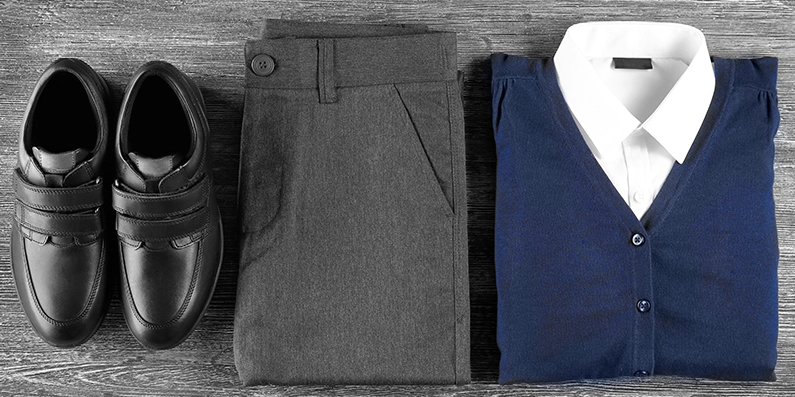
Washing Formal Clothing Correctly
Hot water above 40 degrees causes 3 types of irreversible damage to formal garments.
Fibre shrinkage in wool and cotton blends, colour bleeding in dark fabrics, and elastic degradation in stretch-blend fabrics including ponte and jersey all damage clothing.
Here is a simple guide to follow, to make sure that your clothing is given the best possible care:
| Fabric Type | Wash Temperature | Cycle Type | Detergent | Dry Cleaning Frequency |
| Wool and wool blend | 30°C maximum | Wool or delicate cycle | pH-neutral wool wash | Once per season maximum |
| Cotton (formal shirts, trousers) | 30°C to 40°C | Normal or gentle | Standard or colour-safe | Not required |
| Polyester and polyester blend | 30°C to 40°C | Gentle or synthetic | Standard | Not required |
| Silk and silk blend | Hand wash cold or 30°C | Delicate only | Silk-specific pH-neutral | Twice per year maximum |
| Linen | 40°C | Normal or gentle | Standard | Not required |
| Viscose and rayon | Hand wash cold or 30°C | Delicate only | pH-neutral | Once per year maximum |
Drying and Pressing
60% of permanent damage to formal garments occurs during drying and pressing rather than during washing, according to International Fabricare Institute research.
Air drying on a shaped hanger is the correct method for formal blazers, structured shirts, and tailored trousers.
A tumble dryer on any heat setting above cold causes fibre stress, dimensional change in natural fabrics, and premature wear of elastic components in waistbands and cuffs.
A clothes steamer rather than a flat iron is the correct tool for most formal garments. A steamer removes creases without direct heat contact with the fabric surface, which eliminates the risk of shine marks on wool and silk, scorch marks on synthetic blends, and the flattening of woven textures that a flat iron produces when pressed directly onto fabric without a pressing cloth.
For cotton formal shirts, a steam iron on the correct temperature setting with a damp pressing cloth produces a better result than a dry iron on any setting.
Storing Formal Clothing Correctly
When storing your formal garments you need adequate space between hanging garments, the correct hanger type for each garment category, and protection from light and dust.
A blazer or structured jacket should always be stored on a wire hanger otherwise it can develop permanent shoulder distortion within 4 to 6 weeks, while a wide-shouldered wooden or padded hanger maintains the structured shoulder shape indefinitely.
Cotton garments, including shirts and trousers, can be stored folded on shelves as well as hung.
Wool garments benefit from being folded on shelves rather than hung for long-term storage of more than 3 months, as sustained hanging causes the knit structure to stretch under its own weight.
And you should think about adding a few cedar blocks in the wardrobe to repel moths naturally, so that you don’t get the chemical residue that mothballs leave on fabric.
Give us a call
Mr Matata stocks both branded fashion clothing and corporate workwear at prices that make building and maintaining a professional wardrobe achievable.
And knowing how to care for what you buy is what makes every rand spent go further.
Frequently Asked Questions
How do you care for formal clothing to make it last longer?
Caring for formal clothing to extend its lifespan requires 4 consistent habits: reading the care label before every first wash and following the specified temperature and cycle, air drying on a shaped hanger rather than tumble drying, using a clothes steamer rather than a flat iron for crease removal, and storing structured garments on wide-shouldered wooden or padded hangers with adequate space between items. These practices extend the wearable life of formal clothing by 3 to 5 years on average compared to standard machine washing and tumble drying routines.
What temperature should formal clothing be washed at in South Africa?
Formal clothing in South Africa washes correctly at 30 degrees Celsius or below for wool blends, silk, viscose, and rayon. Cotton formal shirts and linen wash at 30 to 40 degrees. Polyester and polyester-blend formal garments wash at 30 to 40 degrees on a gentle or synthetic cycle. Temperatures above 40 degrees cause 3 types of irreversible damage to formal garments: fibre shrinkage in natural fabrics, colour bleeding in dark fabrics, and elastic degradation in stretch-blend waistbands and cuffs. Always check the care label symbol before selecting a wash temperature.
How often should a blazer or suit jacket be dry cleaned?
A wool or wool-blend blazer requires dry cleaning a maximum of once per season, and only when visible soiling or odour cannot be removed by airing and spot treatment. Frequent dry cleaning removes the natural lanolin oils from wool fibres, which causes the fabric to dry out, lose its sheen, and develop a rough texture over time. Between dry cleaning sessions, airing the garment for 30 minutes after each wear, brushing with a soft clothes brush to remove surface debris, and steaming to remove creases maintains the garment’s condition without the fabric stress that repeated dry cleaning causes.
What is the best way to store formal clothing in South Africa?
Formal clothing stores correctly in 3 conditions: adequate space between hanging garments so that no item is compressed against another, the correct hanger type for each garment (wide wooden or padded hangers for blazers and structured jackets, standard hangers for shirts and trousers), and protection from direct sunlight and dust using garment covers or a closed wardrobe. Cedar blocks placed in the wardrobe repel moths without chemical residue. Wool garments stored for more than 3 months fold correctly on shelves rather than hanging, as sustained hanging causes the knit structure to stretch under its own weight.
Should formal clothing be steamed or ironed?
A clothes steamer is the correct tool for most formal garments including wool blazers, silk blouses, viscose trousers, and structured shirts. Steaming removes creases without direct heat contact with the fabric surface, which eliminates shine marks on wool, scorch marks on synthetic blends, and texture flattening that a flat iron causes when applied directly. For cotton formal shirts, a steam iron on the correct temperature setting with a damp pressing cloth produces good results. A flat iron without a pressing cloth on wool, silk, or synthetic-blend formal garments causes permanent surface damage that steaming cannot reverse.


